
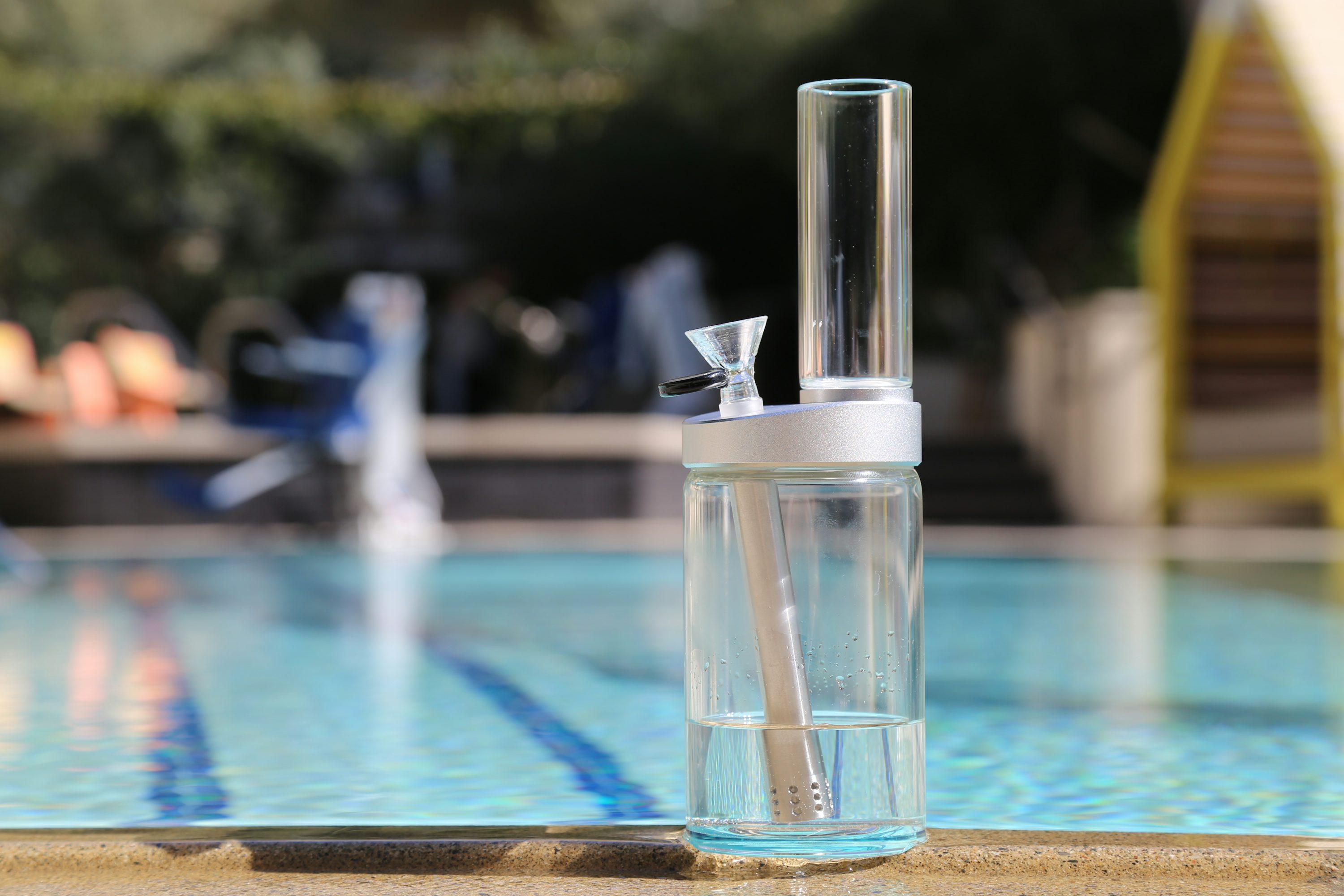
If you've come across the term "vape bong" and weren't quite sure what it meant, you're not alone — it's a newer hybrid category that combines two familiar concepts in a way that confuses a lot of shoppers at first glance. Some assume it's just marketing language for a regular bong; others assume it's a vape with a fancy name. Neither is quite right. Here's a complete, clear explanation of what a vape bong actually is, how it differs from a standard vape or bong, what the experience is really like, and whether it's worth adding to your collection.
To understand why vape bongs exist at all, it helps to look at what each parent category does well and where it falls short. Traditional bongs excel at cooling and filtering smoke through water, which softens harshness considerably compared to a dry pipe — but they still rely on combustion, meaning you're burning plant material and inhaling the byproducts of that burn along with everything else. Vaporizers solve the combustion problem by heating material to a point where it releases its active compounds as vapour without ever catching fire, which many people find gentler and cleaner-tasting — but a dry-draw vape on its own doesn't offer any of the cooling or filtration a water pipe provides.
A vape bong exists specifically to combine the strengths of both: the no-combustion approach of vaporization, paired with the water-cooling and filtration people already like about a bong. It's less a totally new invention and more a deliberate merging of two things that were already popular separately.
A vape bong is a vaporizer designed to attach to, or work alongside, a water pipe setup — routing vapour through water filtration the same way a traditional bong routes smoke through water. Instead of combustion, a vape bong heats material to a temperature that releases vapour without burning it, then passes that vapour through a water chamber for cooling and filtration before you inhale.
In simpler terms: it's the water-cooling experience of a bong, combined with the different heating method of a vape, rather than being purely one or the other. Some devices are built as a single integrated unit specifically designed for this purpose, while others are attachments or adapters meant to connect a standalone vaporizer to an existing water pipe you may already own.
A standard portable or desktop vaporizer delivers vapour directly through a mouthpiece with no water filtration involved. That means whatever temperature and density the vapour comes out at is exactly what you're inhaling — no additional cooling step. A vape bong adds a water chamber into that path, which changes both the temperature and texture of what you're inhaling, generally making it feel noticeably cooler and smoother compared to a dry-draw vape, especially on larger inhales.
The trade-off is size and complexity. A standard vape, particularly a portable one, is built for convenience and can go anywhere in a pocket or bag. Once you add a water chamber into the equation, you're generally looking at a larger, less portable setup that's better suited to home use.
A regular bong burns flower through combustion, producing smoke rather than vapour. Combustion happens at a much higher temperature than vaporization and creates byproducts from the burning process itself, which many people associate with a harsher throat feel even after that smoke passes through water. A vape bong instead heats material without ever reaching a combustion point, which most users find gentler, since vapour tends to feel less harsh than combusted smoke even after water filtration is applied to both.
Flavour is another meaningful difference. Because vaporization doesn't involve burning, a lot of the more delicate flavour notes in flower that get lost or masked by combustion come through more clearly in vapour form — something a lot of flavour-focused smokers notice immediately when switching from a regular bong to a vape bong.
Standard VapeRegular BongVape BongHeating methodVaporization (no combustion)CombustionVaporization (no combustion)Water filtrationNoYesYesTypical harshnessLowModerateLowestFlavour clarityHighModerateHighPortabilityUsually highLowUsually lowSetup complexityLowModerateHigherCleaning effortLowModerateHigher (two systems)Upfront costVaries widelyLow to moderateGenerally higher
Most people who try a vape bong for the first time describe it as noticeably smoother than either a standard vape or a traditional bong on their own. The combination of no combustion and water cooling tends to produce the gentlest overall hit of the three options, with many users noting that flavour comes through clearly since there's no burnt-plant taste from combustion mixing in.
The draw itself often feels different too — because you're pulling vapour rather than smoke through water, some users describe the sensation as a bit lighter or less dense than a traditional bong rip, even though the cooling effect is similar or even more pronounced. It takes a session or two to get used to if you're coming from a combustion background, but most people adapt quickly.
That said, it's not necessarily "better" across the board — it's a different experience, and whether it's worth trying depends heavily on what you personally value in a session.
It's likely worth trying if:
It might not be worth it if:
If you're curious but not ready to commit to a full vape bong setup, it's worth first getting comfortable with straight vaporizing or a standard water pipe individually, so you know which specific qualities you're chasing — the smoothness of water filtration, or the cleaner taste of vaporization. That'll help you (or our team) point you toward the right product once you're ready to combine the two, rather than guessing and potentially spending more than you need to on a hybrid setup that doesn't match what you actually wanted.
Our comparison of cannabis pipes, bongs, and hash pipes is a good starting point if you're still working out which base format suits you best before adding vaporization into the mix.
Product availability in this category shifts with demand, so the best way to see current options is to ask our budtenders in-store what's currently available and get hands-on guidance on setup and cleaning. Stop by 2208 St Joseph Blvd Unit #111 in Orléans, or check our online menu before making a special trip.
Is a vape bong the same as a bong with a vape attachment?
Generally yes — the core idea is combining a vaporization heating element with water filtration, whether that's an integrated design or a compatible attachment added to an existing water pipe.
Is a vape bong smoother than a regular bong?
Most users find it smoother, since there's no combustion involved — the vapour tends to feel gentler than combusted smoke even after both are cooled through water.
Do I need special material for a vape bong?
his depends on the specific device — some are designed for dried flower, others for concentrates, and some support both. Confirm compatibility for your intended use before buying.
Is a vape bong harder to clean than a regular bong?
It can require a bit more attention since you're maintaining both the vaporization chamber and the water pipe portion, but neither individually is more difficult than cleaning either device on its own — it's the combination that adds a bit more total upkeep.
Is a vape bong a good option for beginners?
It can be, especially for someone who wants the smoothest possible experience, though the setup and cost may be more than someone brand new to cannabis wants to start with. A simpler vape or standard pipe is often a more approachable entry point before working up to a hybrid setup.
Does a vape bong use more or less product than a regular bong?
Vaporization is generally more efficient than combustion, since none of the material is lost to burning — this often means a vape bong uses less flower per session to achieve a comparable effect compared to a combustion-based bong session.
This content is for general informational purposes. Please consume responsibly and only where legal. Greenbank Cannabis is a licensed retailer under AGCO Licence No. CRSA1337334.