
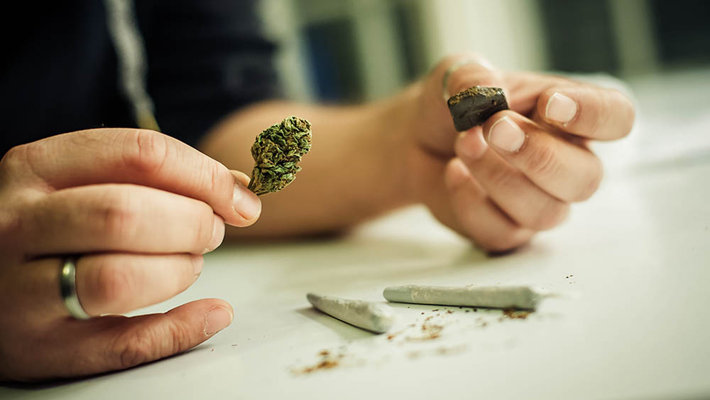
Hash has been around far longer than most modern cannabis products — it's one of the oldest forms of concentrated cannabis in the world, with production methods going back centuries — but for a lot of people shopping at a dispensary today, it's still the least understood item on the shelf. If you've seen hash strips, rip strips, or pressed hash blocks sitting next to the flower and vape section and weren't quite sure what to do with them, or how they're different from a concentrate like rosin or shatter, this guide covers everything you need before your first try.
Hash (short for hashish) is a concentrated form of cannabis made by separating and compressing the trichomes — the small, resin-producing glands on the cannabis plant that contain the highest concentration of cannabinoids and terpenes. Trichomes are what give cannabis flower its potency and aroma in the first place; hash is essentially a purified, compressed version of exactly that, with much of the surrounding plant material removed. Because of that concentration, hash is generally significantly stronger than the same physical amount of dry flower.
Historically, hash has been produced by hand-rubbing live plants, dry-sifting dried flower through fine screens, or using ice-water extraction — each method producing a slightly different texture, color, and potency profile. Modern dispensary hash is regulated and tested the same way flower and other cannabis products are, so what's sold through a licensed retailer has gone through the same quality and safety checks as everything else on the shelf.
The biggest difference is concentration. Flower contains trichomes throughout the plant material itself, diluted by the surrounding leaf and stem structure. Hash is essentially just the trichomes, separated and pressed together — so a small amount goes much further than the same amount of flower. This is the single most important thing for a beginner to understand before trying hash for the first time: it is not a one-to-one substitute for the amount of flower you'd normally use. Treating it that way is the most common — and most avoidable — beginner mistake.
Hash sits in an interesting middle ground in the concentrate world. Unlike solvent-based concentrates (such as shatter, live resin, or distillate, which use chemical solvents during extraction and then purge them out), traditional hash is made through purely mechanical or ice-water separation — no solvents involved at all. This tends to give hash a different texture and a more traditional, full-spectrum flavor profile compared to solvent-extracted concentrates, though potency levels can vary widely depending on the specific product and production method.
This is one of the most traditional and straightforward ways to smoke hash. A hash pipe, often called a chillum, typically has a narrower bowl and tighter airflow than a standard flower pipe, designed specifically for a small piece of hash rather than a packed bowl of ground flower. If you're wondering what is a hash pipe exactly — it's essentially a purpose-built, smaller-format pipe suited to concentrated product rather than loose flower, and it's usually more compact and simpler in design than a standard spoon pipe.
How to use it: break off a small piece of hash — much smaller than you'd think, roughly the size of a grain of rice for a first try — and place it in the bowl. Light gently while inhaling slowly; hash can be denser and take slightly longer to catch than flower, so a slow, steady draw generally works better than a quick, hard pull. Some people warm the hash slightly between their fingers first to soften it, which can make it easier to break apart and pack evenly.
A common approach, especially for people transitioning from flower-only use, is crumbling a small amount of hash on top of a packed bowl of flower. This blends the smoother burn and familiar flavor of flower with the added potency of hash, and it's a gentler, more controlled introduction than smoking hash entirely on its own. It also makes the hash easier to light evenly, since it's distributed across a larger surface of already-flammable material.
Rip strips are designed to make hash more approachable for exactly this kind of use. Because they're thin and pliable rather than a dense pressed block, you can tear off a small, easily controlled piece to top a bowl or place directly in a chillum, without needing to cut or break apart a harder block by hand. This is part of why products like shred hash strips have become popular — portioning is far more predictable and beginner-friendly than working with a traditional pressed block, where it's easy to misjudge how much you're actually breaking off.
Some dry-herb and concentrate-compatible vaporizers can handle hash directly, heating it enough to release cannabinoids and terpenes without full combustion. This tends to produce a milder, more flavor-forward experience than smoking, similar to how vaping flower compares to smoking it — worth considering if you already have compatible vape hardware and want to try hash without adding a dedicated hash pipe to your collection.
Some forms of hash, particularly bubble hash, can also be used with a dab rig designed for concentrates, which vaporizes the hash at a controlled temperature using a heated surface. This method delivers a more intense, immediate effect and generally requires more specialized equipment and experience than the other methods above — not typically where a beginner should start.
This is the question that matters most for a first try, and it's worth repeating clearly: because hash is significantly more concentrated than flower, a piece the size of a grain of rice to a small pea is a reasonable starting point — far less than you'd use of flower in a single bowl. After your first inhale, wait a full 10-15 minutes before deciding whether to have more, since effects can take a little longer to fully register than they might with a quick flower session. It's much easier to take a bit more after waiting than to have taken too much and need to wait it out.
Potency and effect can vary meaningfully between hash types, production methods, and regional styles — a traditional pressed hash, a modern bubble hash, and a heritage-style product like Lebanese hash can all feel noticeably different from each other, even at similar THC percentages, due to differences in terpene content and how the product was made. Whatever the specific product or origin listed on the label, the same core rule applies: start small, especially with a variety you haven't tried before, and don't assume your tolerance for one type of hash automatically applies to another.
Hash should be stored the same way you'd store flower — in a cool, dark, airtight container, away from direct heat and sunlight. Because hash has a higher concentration of resin, it can become soft, sticky, or oily if kept somewhere warm, which makes it harder to handle and portion accurately. Wrapping parchment or wax paper around a pressed block before placing it in an airtight container can help prevent it from sticking to itself or the container over time.
Greenbank Cannabis carries a range of hash products, including rip strips and traditional pressed hash, alongside the pipes and accessories to smoke them. If you're new to hash, our budtenders can help you choose a beginner-friendly option and walk you through exactly how much to start with based on your experience level. Available in-store at our Orléans location, or via same-day delivery to Orléans, Cumberland, Beacon Hill, and most of Ottawa East.
[Shop Hash & Concentrates →] | [Shop Pipes & Accessories →]
What is a hash pipe?
A hash pipe, or chillum, is a smaller pipe with a narrower bowl and tighter airflow than a standard flower pipe, designed specifically for smoking concentrated hash rather than loose dry flower.
What's the difference between a hash pipe and a regular weed pipe?
A regular weed pipe (often called a "spoon") has a wider bowl built for packing ground flower. A hash pipe has a smaller, deeper bowl suited to a small piece of concentrated hash rather than loose plant material.
How much hash should a beginner use?
Start with a piece roughly the size of a grain of rice to a small pea — significantly less than a typical amount of flower, since hash is much more concentrated. Wait 10-15 minutes before deciding whether to take more.
Can I smoke hash without a special pipe?
Yes — hash can be crumbled on top of a packed bowl of flower in a standard pipe or bong, which is a common and gentler way for beginners to try it without needing dedicated hash equipment.
What are hash rip strips?Rip strips are thin, pliable strips of hash designed to be torn into small, easily controlled pieces, making portioning simpler than breaking apart a traditional pressed hash block.
Is hash stronger than regular flower?
Generally, yes. Hash is a concentrated form of the trichomes found on cannabis flower, so the same physical amount of hash is typically significantly more potent than an equal amount of flower.
How is hash different from other cannabis concentrates?
Traditional hash is made through mechanical or ice-water separation without solvents, giving it a different texture and more traditional flavor profile than solvent-based concentrates like shatter or live resin.
How should I store hash?
Keep it in a cool, dark, airtight container, similar to flower storage. Heat and light can cause hash to become overly soft, sticky, or degraded over time.
Can beginners use bubble hash the same way as pressed hash?
Bubble hash can generally be used the same way — in a chillum, mixed with flower, or vaporized — though its texture is often lighter and more crumbly than a dense pressed block, so it may be easier to portion for a first-time try.