
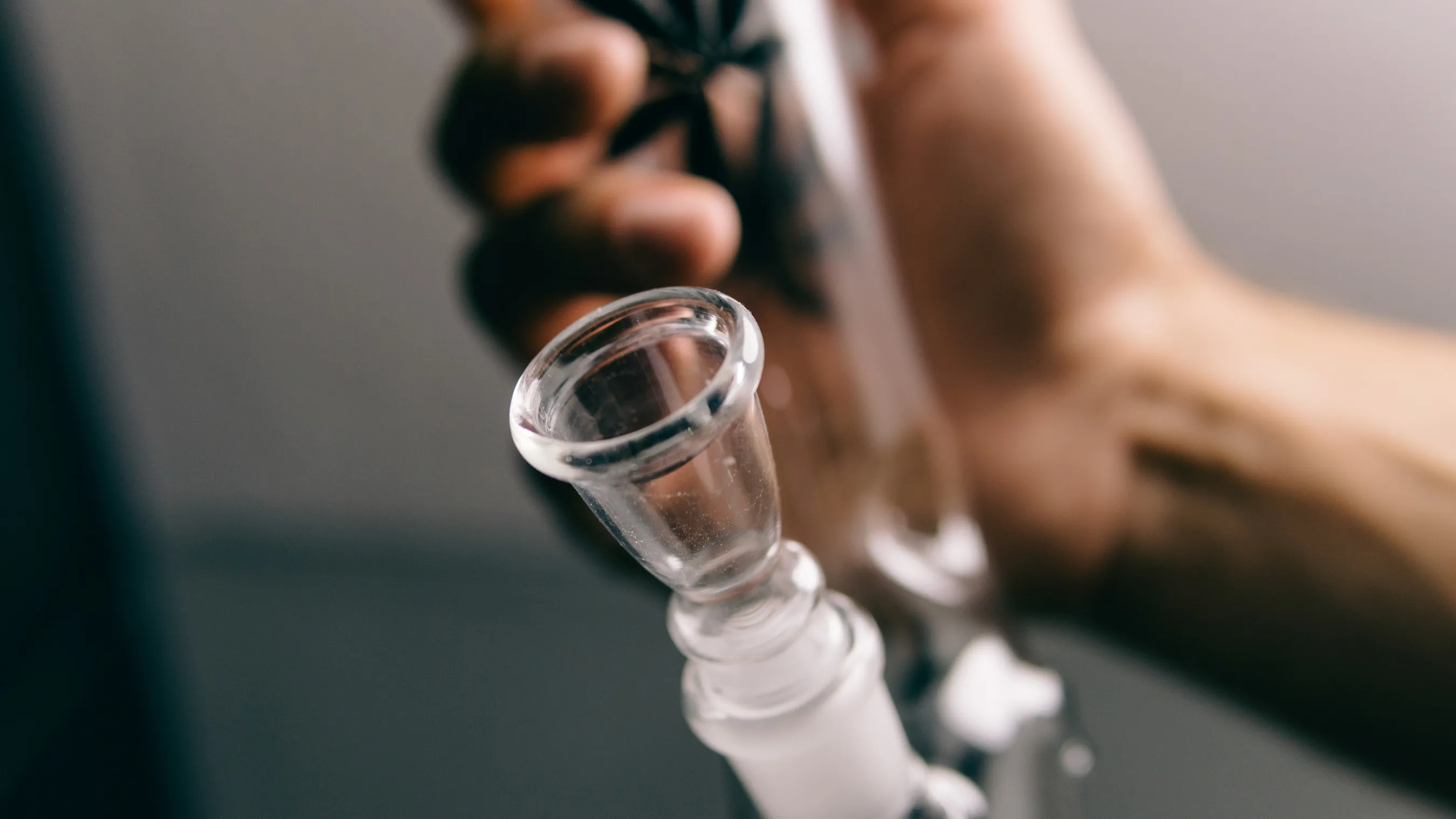
If you've been using the same hash pipe for a few weeks without cleaning it, you've probably already noticed the signs: harsher hits, a lingering metallic or burnt taste, and a screen that seems to be clogging faster than it used to. A dirty hash pipe doesn't just taste worse — it actually performs worse, since built-up resin restricts airflow and traps heat unevenly.
The good news is that cleaning a hash pipe properly takes about 15–20 minutes and doesn't require anything exotic. This guide walks through exactly how to do it, why it matters, and how often you should actually be doing it.
Hash and other concentrates behave differently from dried flower when heated. Hash tends to melt and become sticky rather than simply burning to ash, which means residue builds up on the bowl, the screen, and the airway much faster than it would with flower. That residue is mostly a mix of tar, resin, and ash byproducts — and left alone, it hardens into a stubborn, sticky coating that's much harder to remove the longer you wait.
This is exactly why a dedicated hash pipe is usually built from metal rather than glass — metal holds up better to this kind of buildup and is easier to clean out completely, but only if you actually clean it on a regular schedule.
You don't need to wait for it to be unusable. Watch for these signs:
If you're noticing any of these, it's time for a proper clean — not just a quick tap-out.
Before you start, gather these supplies:
Nearly everything on this list is available at any pharmacy or grocery store, and you likely already have most of it at home.
If your hash pipe has a removable screen or comes apart into separate pieces, take it apart first. Cleaning each piece individually gets into corners and grooves that are impossible to reach when everything's still connected.
Before introducing any liquid, use a paperclip, dab tool, or the edge of a pipe cleaner to scrape out as much loose residue as possible from the bowl and airway. This step matters more than people think — removing the bulk of the buildup dry means the alcohol soak that follows only has to deal with what's actually stuck on, not loose debris as well.
Place the pipe (and any separated pieces) into your sealable bag or container and cover it fully with isopropyl alcohol. Add a generous pinch of coarse salt — the salt acts as a gentle abrasive that helps break down stuck-on resin as it moves around during the soak.
Seal the bag and let it sit:
Every so often during the soak, give the sealed bag a good shake. This lets the salt work as an abrasive against the resin, loosening buildup from the inside of the bowl and airway that you can't reach with a brush.
After soaking, use your toothbrush to scrub the bowl, the outside of the pipe, and any grooves or fittings. For the airway itself, run a pipe cleaner or cotton swab through until it comes out clean rather than black or brown. This may take a few passes with fresh swabs.
For a stubborn screen, a soak on its own often isn't enough — gently scrub both sides with the toothbrush, and if residue is really baked in, a short second soak specifically for the screen can help.
Once you're satisfied with the scrub, rinse everything thoroughly under warm water. This step matters — you want to remove all isopropyl alcohol residue before using the pipe again, since inhaling leftover alcohol fumes is unpleasant and can affect the taste of your next session.
Let all pieces air dry fully, or pat dry with a paper towel and leave them out for a few hours. Reassembling or using a pipe while it's still damp can trap moisture inside, which affects both flavour and airflow.
This depends on how often you use it:
Waiting too long between cleans makes the job harder every time, since resin hardens and becomes more resistant to soaking the longer it sits.
Some hash pipes have a fixed, non-removable screen built into the bowl. In this case, focus your soak and scrub efforts directly on that section, and use a pipe cleaner threaded carefully through the mesh to work out trapped residue without bending or damaging it. Fixed screens generally take a bit longer to fully clean but hold up well over time if you stay consistent with regular cleaning.
A few habits will keep your pipe performing well between deep cleans:
If you're shopping for your first hash pipe or looking to upgrade, our comparison of cannabis pipes, bongs, and hash pipes breaks down exactly what makes a hash pipe different from a standard flower pipe, and what to look for when buying one.
We carry a range of metal hash pipes, cleaning supplies, and accessories at our Orléans location. Stop by 2208 St Joseph Blvd Unit #111 for advice on the right piece for how you smoke, or order online for same-day pickup or delivery across Orléans and Ottawa East.
How often should I clean my hash pipe?
Daily smokers should clean their hash pipe every 3–5 days, while occasional users can typically get away with a monthly clean. Clean sooner if you notice reduced airflow or a burnt taste.
Can I use regular rubbing alcohol to clean a hash pipe?
Yes, but higher concentrations (91% or above) work significantly faster and more effectively than lower concentrations, which contain more water.
Why does my hash pipe taste burnt even after cleaning?
This is usually a sign the screen or airway still has trapped residue. Try a longer soak focused specifically on the screen, and make sure the airway is scrubbed with a pipe cleaner until it comes out clean.
Is it safe to put a metal hash pipe in boiling water to clean it?
Boiling water can help loosen some residue, but it's not a substitute for an isopropyl alcohol soak, which breaks down resin far more effectively. Some metal pipes can also warp under repeated high heat, so an alcohol soak is generally the safer, more reliable method.
What's the difference between cleaning a hash pipe and a regular flower pipe?
The process is largely the same, but hash pipes typically need more frequent cleaning since hash residue is stickier and builds up faster than flower ash. Hash pipes also often have a screen that needs specific attention during cleaning.