
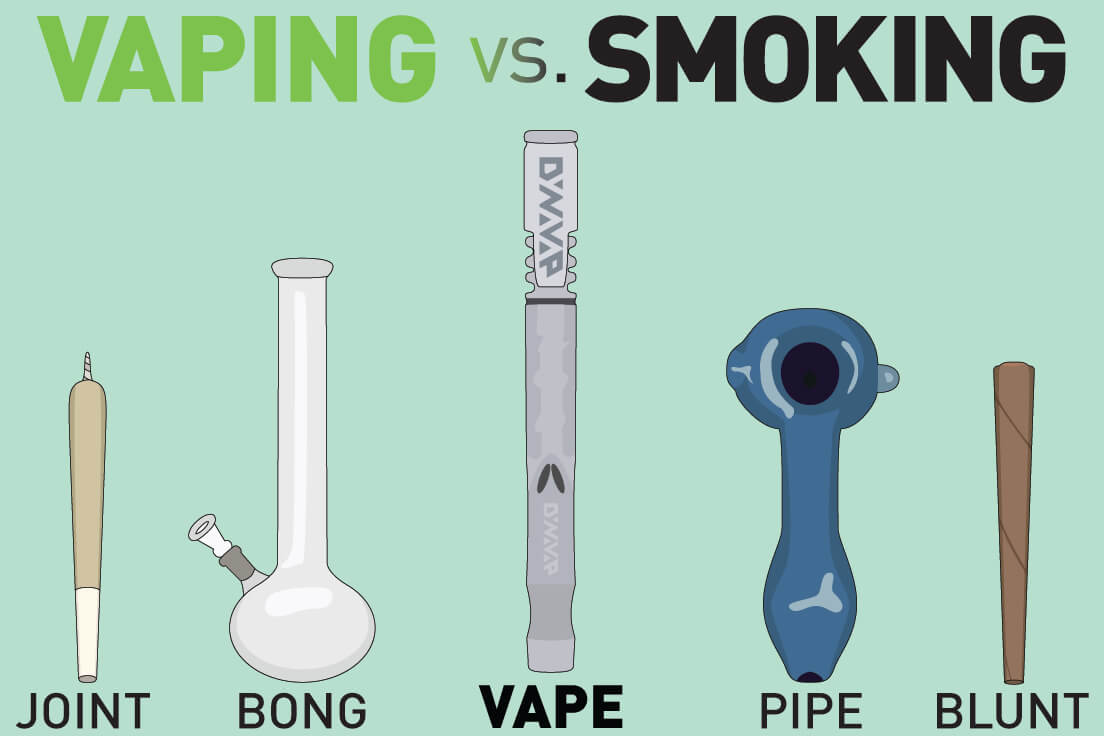
If you've ever stood in front of a dispensary's accessories wall — or scrolled through one online — and felt a little overwhelmed by the choice between a bong, a pipe, and a vape, you're not alone. It's one of the most common questions we get from both new and experienced cannabis customers, and honestly, there's no single "right" answer. Each method delivers a genuinely different experience, and the best one for you depends less on what's trendiest and more on how you actually want to use cannabis.
This guide breaks down bongs, pipes, and vapes side by side — how each one works, what it costs, how it tastes, how discreet it is, and who it's actually built for — so you can walk out of a cannabis store (or place an order online) knowing exactly what you're getting into.
If you want the quick answer before the details:
Now, here's why.
A bong is a water pipe — cannabis is packed into a bowl, ignited, and the smoke is pulled down through a water chamber before you inhale it. That water does two things: it cools the smoke and filters out some of the harsher particulates, which is why bong hits generally feel smoother on the throat and lungs compared to a dry pipe, even at the same amount of cannabis.
Bongs range from simple beaker-style glass pieces to elaborate percolator setups with multiple filtration chambers. More percolation generally means smoother hits, but also more surface area to clean.
A pipe (sometimes called a "dry pipe" to distinguish it from a bong) is the simplest cannabis accessory there is — a bowl, a stem, and a mouthpiece, with no water filtration at all. You pack the bowl, light it, and inhale directly.
This is genuinely the question we hear most from newer customers: "what's the difference between a hash pipe and a regular weed pipe?" The short answer is that a standard weed pipe (sometimes called a "spoon" because of its shape) is designed for dry flower, with a wide bowl for packing ground cannabis. A hash pipe (often called a chillum, or built with a smaller, deeper bowl) is typically designed with a tighter airflow and smaller bowl size, suited to concentrated hash or kief rather than loose flower. If you're mostly smoking flower, a standard pipe is what you want — hash pipes are a more specialized tool for a specific product type.
Pipes come in glass, metal, wood, and silicone. Glass is the most common for flavor and visibility (you can see how much is left in the bowl), but metal and silicone pipes are more durable if you're rougher on your gear or traveling.
Vapes work differently from both bongs and pipes because there's no flame involved. Instead, a battery heats either dried flower (in a dry-herb vaporizer) or a cannabis oil cartridge (in a 510-thread vape or disposable pen) to a temperature that releases cannabinoids and terpenes as vapor, without burning the material.
This matters for two reasons: vapor tends to have a milder taste and smell than smoke, and many people find it gentler on the throat and lungs since there's no combustion byproduct involved. Vapes also come in a much wider range of formats — disposable pens you throw away when empty, refillable 510-thread batteries paired with swappable cartridges, and dry-herb vaporizers for people who prefer actual flower over oil.
Bongs generally deliver the most flavorful hits among smoking methods, since water filtration removes some of the harsher combustion notes while still preserving the terpene profile of the flower. Pipes are a close second — since there's no water to slightly mute the smoke, some people actually find pipes taste even more intensely of the strain itself, just with a harsher inhale. Vapes taste different rather than simply "better" or "worse" — vapor tends to taste cleaner and lighter, since you're not tasting combustion at all, just the terpenes themselves.
This is where bongs clearly win. Water filtration cools the smoke and reduces harshness noticeably, especially for larger hits. Pipes are the harshest of the three since there's nothing moderating the hit at all. Vapes fall somewhere in between — no combustion means no ash or char taste, but vapor can still feel warm and occasionally harsh depending on the device's temperature settings.
Vapes win decisively here. Vapor dissipates faster and smells noticeably less than smoke, and disposable pens in particular are compact enough to use almost anywhere without drawing attention. Pipes are more discreet than bongs simply due to size — a pipe fits in a pocket, a bong generally doesn't. But both pipes and bongs produce genuine smoke with a lingering smell that clings to clothing and rooms, which vapes largely avoid.
Pipes are the cheapest entry point by a wide margin — a solid glass pipe can run anywhere from budget-friendly to mid-range, with no ongoing accessory costs beyond the cannabis itself. Bongs range more widely: a simple beaker bong is comparably priced to a nicer pipe, but bongs with percolators or higher-end glass climb quickly in price. Vapes have the most variable cost structure — disposable pens have a moderate one-time cost per device but need replacing once empty, while a refillable 510-thread battery is a small upfront investment that then just requires new cartridges, which is often the more cost-effective option if you vape regularly.
Pipes and bongs both need regular cleaning to avoid resin buildup affecting taste and airflow — bongs require more frequent attention since the water needs changing and the chamber needs deeper cleaning to avoid buildup and smell. Pipes are simpler to maintain, usually just needing an occasional soak and scrape. Vapes require essentially no cleaning if you're using disposables, and only minimal upkeep (wiping the connection point, occasionally cleaning the tank) if you're using a refillable cartridge system.
Vapes and pipes are both genuinely pocket-friendly. Vapes, particularly disposables, are arguably the most travel-friendly option available, since there's no flame, no ash, and minimal smell involved. Bongs are the least portable of the three — they're meant to stay in one place, whether that's a home setup or, for smaller "travel bongs," an occasional exception.
Pipes are the easiest accessory for a first-time user to pick up — pack, light, inhale, done. Bongs require a bit more technique to use comfortably (controlling the draw, clearing the chamber) but nothing that takes long to learn. Vapes vary the most by device: disposable pens are as simple as pipes to use, while dry-herb vaporizers and adjustable-temperature devices have more of a learning curve around grind consistency and temperature settings.
A pipe or a disposable vape are both good starting points, for opposite reasons. A pipe is the most straightforward way to understand how flower actually works — no settings, no charging, no water to manage. A disposable vape is the gentlest on the throat and the most forgiving if you're worried about coughing or overdoing a hit, since dosing tends to be more consistent and controllable in small increments.
A bong, especially a well-made glass piece with light percolation, will generally give you the most enjoyable, flavorful, and smooth session — this is the choice for people who see smoking cannabis as something to slow down and actually experience, not just a quick habit.
A vape wins clearly here, particularly a refillable 510-thread setup if you use cannabis regularly enough to make the cartridge cost worthwhile, or a disposable if you want zero commitment and zero cleaning.
A simple glass pipe remains the best value option in the category — low upfront cost, minimal maintenance, and no ongoing accessory spend beyond flower itself.
This is where the hash pipe question comes back in — a dedicated hash pipe or chillum is built for exactly this, with airflow and bowl sizing suited to concentrated product rather than loose flower. If you're mixing flower and concentrates regularly, it's worth having both a standard pipe and a smaller concentrate-specific piece on hand.
Most regular cannabis users end up with more than one accessory in rotation rather than committing to a single method — a vape for on-the-go discretion, a pipe for quick sessions at home, and a bong for when they want to slow down and actually savor a session. There's no rule that says you need to choose permanently; the "right" method is often just whichever one fits a specific moment.
Whether you're picking up your first glass pipe or upgrading to a percolator bong, our Orléans location carries a full range of accessories alongside our flower, vapes, and concentrates — and our staff can walk you through exactly which piece fits how you actually plan to use it. Same-day delivery is also available to Orléans, Cumberland, Beacon Hill, and most of Ottawa East if you'd rather shop from home.
[Shop Pipes & Accessories →] | [Order Delivery →]
Is a bong or a pipe better for beginners?A pipe is generally easier for first-time users since it requires no water management or extra technique — just pack, light, and inhale. A bong takes slightly more practice to use comfortably but delivers a smoother hit once you're used to it.
What's the difference between a hash pipe and a regular weed pipe?A regular weed pipe (often called a "spoon") has a wider bowl designed for packing ground dry flower. A hash pipe, or chillum, typically has a smaller, narrower bowl and tighter airflow suited to hash or concentrated product rather than loose flower.
Is vaping healthier than smoking from a pipe or bong?Vaping avoids combustion entirely, which means no smoke or ash byproduct, and many people find it gentler on the throat and lungs. That said, vaping isn't risk-free, and anyone with respiratory concerns should talk to a healthcare provider about what's appropriate for them.
Which method is the most discreet?Vapes, particularly disposable pens, are the most discreet option — vapor dissipates faster and smells less than smoke, and the devices themselves are compact and low-profile.
Do bongs use more cannabis than pipes?Not necessarily more per hit, but the larger chamber and water can make it easier to pull bigger hits without realizing it, so some people find they use cannabis faster with a bong simply due to the larger draw.
What should a first-time buyer get: a bong, a pipe, or a vape?For most first-time buyers, a simple glass pipe or a disposable vape is the easiest starting point — both are low-cost, require no real learning curve, and let you get a feel for how much cannabis works for you before investing in more advanced gear.