
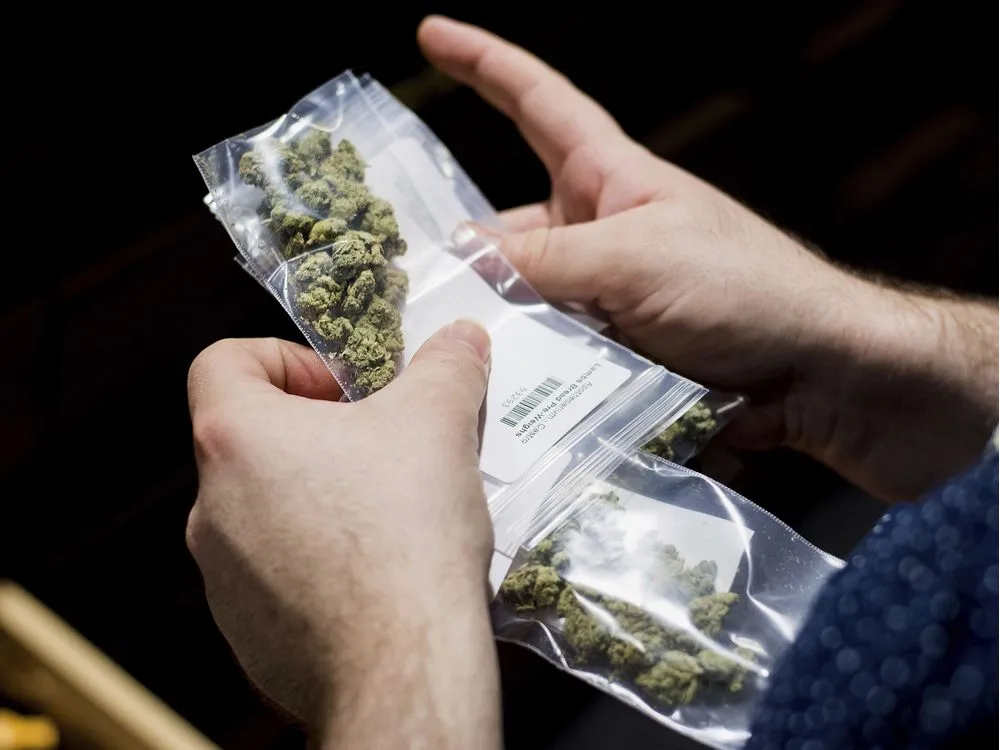
CBD has had a strange journey.
A few years ago it was everywhere — in coffees, in face creams, in dog treats, in gas stations. Most of it was unregulated, unlabelled, and frankly untested. People either swore by it or wrote it off entirely, often based on products that bore no resemblance to what CBD actually is.
In Ontario, that problem is largely solved. Licensed cannabis retailers like Greenbank Cannabis in Orléans carry CBD products sourced through the OCS — meaning every product is tested, accurately labelled, and produced to regulatory standards. You know exactly what you're getting.
But knowing what's on the shelf and knowing what to pick are two different things. Gel caps, oils, topicals, balanced THC:CBD ratios, full-spectrum, broad-spectrum — it's a lot. And most people searching for CBD products have a specific goal in mind: better sleep, less joint pain, lower anxiety, faster muscle recovery. They just don't always know which format gets them there.
This guide covers everything — the formats, the ratios, the use cases, and exactly what to look for when you walk into Greenbank or order through Uber Eats delivery.
Before the product breakdown, the basics — because this distinction shapes every purchasing decision you'll make.
THC (tetrahydrocannabinol) is the primary psychoactive compound in cannabis. It's what produces the "high" — the altered perception, euphoria, and sometimes anxiety that most people associate with cannabis use.
CBD (cannabidiol) is non-intoxicating. It interacts with the same endocannabinoid system but doesn't produce a high. It doesn't bind to CB1 receptors the same way THC does, which is why you can take a high dose of CBD and go about your day without impairment.
What CBD does do — based on the current body of research and an enormous volume of consumer experience — is interact with systems in the body that regulate mood, inflammation, pain signalling, and sleep. The science is still evolving, but the consumer evidence is substantial enough that Health Canada has approved a CBD-based pharmaceutical (Epidiolex) for certain epilepsy conditions, and the OCS carries an entire category of CBD-dominant products for a reason.
The important ratio to understand:
For most people starting with CBD for a specific wellness purpose, CBD-dominant products are the right entry point.
What it is: A liquid extract — usually CBD distillate in a carrier oil like MCT (coconut-derived) or hemp seed oil — delivered via a dropper under the tongue.
How it works: Sublingual absorption means the CBD enters the bloodstream through the tissue under your tongue, bypassing first-pass liver metabolism. This makes onset faster than capsules — typically 15–45 minutes — and bioavailability is higher.
How to use it: Place the dropper under your tongue, hold for 60–90 seconds, then swallow. Dosing is adjustable — you can take half a dropper, a full dropper, or build up over time.
Best for:
What to look for on the label:
Ottawa East pick: Ask the Greenbank team what CBD oil SKUs are currently in stock — the OCS rotates availability and the team will know what's fresh and well-reviewed.
What it is: Pre-measured CBD oil in a softgel capsule, swallowed like any other supplement.
How it works: Goes through the digestive system, processed by the liver before entering the bloodstream. This means slower onset — typically 45 minutes to 2 hours — but the effect tends to be longer-lasting and more consistent.
How to use it: Take with food (fat increases absorption of cannabinoids), at the same time each day for consistent results. Many users take them in the morning with breakfast or at night before bed depending on their goal.
Best for:
What to look for:
Dosing note: Because capsules take longer to kick in, new users sometimes make the mistake of taking a second dose before the first one has had time to work. Start with one cap, wait at least 90 minutes before reassessing.
What it is: Cannabis-infused creams, balms, or gels applied directly to the skin at a specific site.
How it works: Topicals don't enter the bloodstream in meaningful quantities. They interact with cannabinoid receptors in the skin and underlying tissue locally. This is why they won't get you high and why they're specifically targeted at localized concerns — a sore knee, an inflamed joint, tense neck muscles.
How to use it: Apply generously to the affected area and massage in. Reapply as needed. Some topicals are oil-based (balms, salves) and better for dry or cracked skin; others are water-based (lotions, gels) and absorb quickly without residue.
Best for:
What to look for:
Important distinction: Topicals are for surface-level localized relief. If you're dealing with systemic inflammation, chronic pain across multiple areas, or anxiety, you'll need an ingested format (oil or capsules) to see meaningful effects.
What it is: Gummies, chocolates, mints, and cannabis-infused drinks with CBD as the primary or co-primary cannabinoid.
How it works: Same as regular edibles — processed through the digestive system, slower onset (30 minutes to 2 hours), longer duration. The difference is that CBD-dominant edibles carry minimal to no intoxication risk.
How to use it: Eat one piece, wait at least 90 minutes before taking more. CBD edibles are not something to rush.
Best for:
Beverage note: Cannabis beverages have surged in popularity in Ontario. CBD-forward drinks — sparkling waters, teas, tonics — offer a 1:1 or CBD-dominant experience with onset similar to edibles but often slightly faster due to liquid digestion. Great for consumers looking for an alcohol alternative at social occasions.
What it is: CBD-dominant vape cartridges or disposable pens with high CBD and low THC.
How it works: Inhalation means near-immediate onset — effects within minutes. Duration is shorter than edibles (1–3 hours typically).
Best for:
Note: Vaping isn't for everyone, and if you're new to cannabis entirely, starting with a vape isn't recommended. Oils or capsules give you more control over your experience.
Yes. Here's the breakdown:
Full-spectrum CBD contains CBD plus the full range of other cannabinoids found in the plant — including trace amounts of THC (under 0.3% in legal Canadian products), terpenes, and flavonoids. The theory is that these compounds work better together than in isolation — the entourage effect. Full-spectrum products generally have the most nuanced effect profile.
Broad-spectrum CBD contains CBD plus other cannabinoids and terpenes, but THC has been removed or reduced to undetectable levels. A middle ground — entourage effect without any THC exposure. Good for people who are drug tested or want zero THC.
CBD isolate is pure CBD — 99%+ cannabidiol with everything else removed. Predictable, consistent, and THC-free. Slightly less complex in effect than full-spectrum but simpler to dose and completely THC-free.
For most wellness-oriented consumers in Ottawa East, full-spectrum is the most commonly recommended starting point unless you have a specific reason to avoid THC entirely.
Based on what Greenbank customers are actually looking for when they come in asking for CBD:
The most common use case by far. CBD — particularly at higher doses (25–50mg) and in combination with small amounts of THC in a balanced product — is widely reported to help consumers fall asleep faster and stay asleep longer. Capsules or oils taken 45–60 minutes before bed are the typical approach. Balanced 1:1 products outperform CBD-only for many sleep users.
CBD's interaction with serotonin receptors makes it one of the most researched cannabinoids for anxiety. Lower daily doses (10–25mg) taken consistently tend to work better for anxiety than large single doses. Oils give the most flexibility here. CBD-dominant vapes can help in acute moments.
The combination of topicals for localized relief and oral CBD (oil or caps) for systemic support is the most effective approach for ongoing joint or muscle pain. Many consumers in Ottawa East using CBD for arthritis or post-workout recovery layer both formats.
Some consumers simply add CBD to their daily routine the same way they add vitamins — not for a specific condition but as a general support layer for inflammation, recovery, and stress management. Capsules work best here for their consistency and ease of use.
Walk in and tell the team:
With those five answers, a Greenbank budtender can point you to exactly the right product from our current OCS-sourced inventory.
And if you're not sure yet — delivery is always an option. Browse the menu on Uber Eats, check the CBD category, and if you have questions about a specific product, call the store. We're happy to talk through options before you order.
Greenbank Cannabis
2208 St. Joseph Blvd, Unit #111, Orléans, ON K1C 1E8
Hours: Monday – Sunday, 10:00 AM – 11:00 PM
Same-Day Delivery: Via Uber Eats — Orléans & Ottawa East
Browse the full menu including CBD products →
Everything on our menu is OCS-licensed, accurately labelled, and available for same-day delivery or in-store pickup. Our team knows the CBD category inside out — come in during a quieter weekday morning if you want time to explore the options without feeling rushed.
Will CBD get me high?
No. CBD-dominant products — oils, gel caps, topicals — do not produce intoxication. CBD is non-psychoactive. If a product contains a balanced THC:CBD ratio, mild intoxication is possible at higher doses, but CBD-dominant products (under 0.3% THC) will not get you high.
What's the best CBD product for sleep in Ottawa East?
For sleep, a CBD oil or softgel taken 45–60 minutes before bed tends to work well. Many sleep-focused consumers prefer a balanced 1:1 THC:CBD ratio at low doses for a more effective result. Ask the Greenbank team what sleep-focused CBD products are currently in stock.
What's the best CBD product for joint pain in Ottawa?
A layered approach works best — a CBD topical applied directly to the joint for localized relief, combined with a daily oral CBD (oil or capsule) for systemic support. Many customers managing arthritis or chronic joint pain use both formats.
How much CBD should I take as a beginner?
Start low — 10–15mg per day is a common starting point. Give it at least a week of consistent use before adjusting. CBD often works better as a cumulative daily supplement than a single large dose.
Is CBD legal in Ottawa and Orleans, Ontario?
Yes. CBD products sold through AGCO-licensed retailers like Greenbank Cannabis are fully legal in Ontario. All products are sourced through the Ontario Cannabis Store and meet Health Canada's regulatory standards.
Can I get CBD products delivered in Orléans?
Yes. Greenbank Cannabis offers same-day delivery via Uber Eats across Orléans and Ottawa East during store hours (10 AM – 11 PM daily). Valid government ID required upon delivery. Must be 19+.
What's the difference between CBD oil and CBD gel caps?
Onset and convenience. CBD oil (sublingual) kicks in faster — 15–45 minutes — and allows flexible dosing. Gel caps take longer — 45 minutes to 2 hours — but offer consistent pre-measured doses and are easier to incorporate into a daily routine. Both are effective; the right choice depends on your lifestyle.
Does Greenbank Cannabis carry CBD topicals?
Yes. Greenbank carries cannabis-infused topicals including creams and balms through our OCS-sourced inventory. Availability of specific products varies — check the live menu or ask in-store for the current selection.